
Understanding the psychological triggers behind casino gambling behavior
The Allure of Risk and Reward
The thrill of casino gambling often stems from the inherent risk and reward dynamic. Players are naturally drawn to the potential of winning big, which can release dopamine in the brain, creating feelings of excitement and pleasure. This biochemical response reinforces the behavior, making players return for more, as they chase that exhilarating high. Understanding this psychological trigger can help illuminate why individuals often engage in gambling, even when they are aware of the odds stacked against them. For those curious to explore this further, you can read more about the different experiences available online.

Moreover, the anticipation involved in gambling can amplify this experience. Players often feel a rush as they await the outcome of a bet or the spin of a wheel. This anticipation can be addictive, as it feeds into their desire for immediate gratification and can overshadow the risks involved. The emotional rollercoaster that accompanies gambling keeps players engaged, often leading them to overlook the potential negative consequences.
The Illusion of Control
Many gamblers fall prey to the illusion of control, believing that they can influence the outcomes of games through their skill or strategy. This misconception is particularly prevalent in games such as poker or blackjack, where players feel their decisions can impact the results. This belief fuels their engagement and commitment to the game, as they equate their success with their abilities rather than random chance. Understanding this psychological trigger is crucial, as it can lead individuals to gamble more frequently and with higher stakes.
Additionally, this illusion can manifest in the form of superstitions or rituals that players adopt to increase their perceived control over outcomes. Many gamblers may engage in specific behaviors, such as wearing lucky clothing or following particular routines, which they believe enhance their chances of winning. These behaviors, while harmless in moderation, can lead to compulsive gambling patterns and further entrench the gambler in a cycle of chasing losses.
The Social Component of Gambling
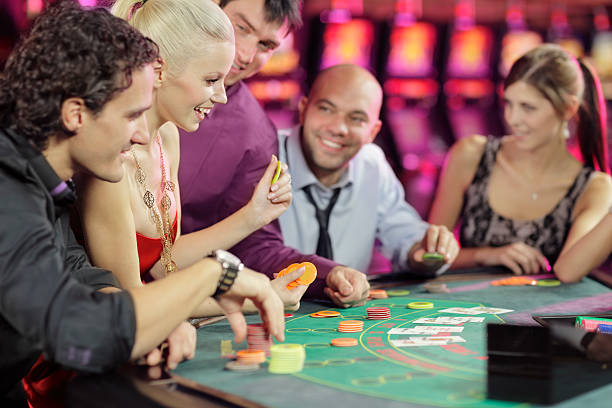
The social aspect of gambling plays a significant role in influencing behavior. For many, casinos are not just about playing games; they are social environments where individuals can gather, interact, and share experiences. This communal aspect can enhance the enjoyment of gambling, as players celebrate wins and commiserate over losses together. The pressure to conform to social norms and the desire to fit in can further exacerbate gambling behaviors, encouraging individuals to participate even when they may not wish to.
Moreover, peer influence can be a powerful factor in gambling habits. Friends and family who engage in gambling can encourage others to join in, creating a culture where gambling is seen as a fun and acceptable activity. This social reinforcement can lead to increased participation, even among those who might otherwise abstain. Understanding the social triggers behind gambling behavior helps explain why individuals often find themselves participating in activities that may not align with their personal values or financial situations.
The Role of Escape and Coping Mechanisms
For some individuals, gambling serves as a form of escape from the pressures of daily life. The thrill of placing a bet or the distraction of spinning a slot machine can provide a temporary reprieve from stress, anxiety, or personal issues. This psychological trigger can lead individuals to engage in gambling as a coping mechanism, reinforcing the behavior over time. The allure of gambling as a method to escape reality can lead to problematic gambling habits, as players might find themselves seeking that escape more frequently.
Additionally, the excitement of gambling can create a sense of euphoria that temporarily alleviates feelings of sadness or depression. This emotional relief can be a powerful motivator, driving individuals to gamble more frequently as they seek out that high. Recognizing this psychological link is vital for understanding the patterns of gambling behavior and the potential for addiction, as it highlights the need for effective coping strategies that do not involve gambling.
Exploring Safe Gambling Options
Understanding the psychological triggers behind casino gambling behavior is essential for promoting safer gaming practices. This awareness can empower players to make informed decisions about their gambling habits, recognizing when their behavior may be straying into harmful territory. By exploring responsible gambling strategies, players can engage in gaming experiences that prioritize enjoyment without compromising their well-being.
With the right tools and knowledge, individuals can navigate the world of gambling safely. The importance of setting limits, being aware of one’s emotional state, and seeking out community resources can provide essential support for those who enjoy gambling as a recreational activity. By fostering a culture of responsible gaming, we can ensure that players engage in a safe and enjoyable experience that prioritizes their mental health and financial stability.